SUSTAINABILITY

Since 2010, Azienda Agricola Malacari has adopted organic viticulture, implementing practices aimed at protecting the surrounding slopes and their fragile clay soils. Through the exclusive use of natural products and the recovery of traditional techniques such as green manuring, fundamental to enhancing biodiversity and supporting beneficial insects, the estate has reduced soil erosion, increased soil organic matter (humus), and strengthened plant resilience.


This balanced vineyard ecosystem, which also involves the soil’s microbial life, promotes healthier vines, lower environmental impact, and a higher qualitative expression of the wines. A sustainable approach that generates tangible environmental value.

Our clay-rich slopes require careful management and soil-protective practices; for this reason, we rely solely on natural products and adopt agronomic techniques that work in harmony with natural biological processes.

Sustainability

PHILOSOPHY


Our objective is rooted in preserving a precious territory, respecting its natural rhythms and balance.


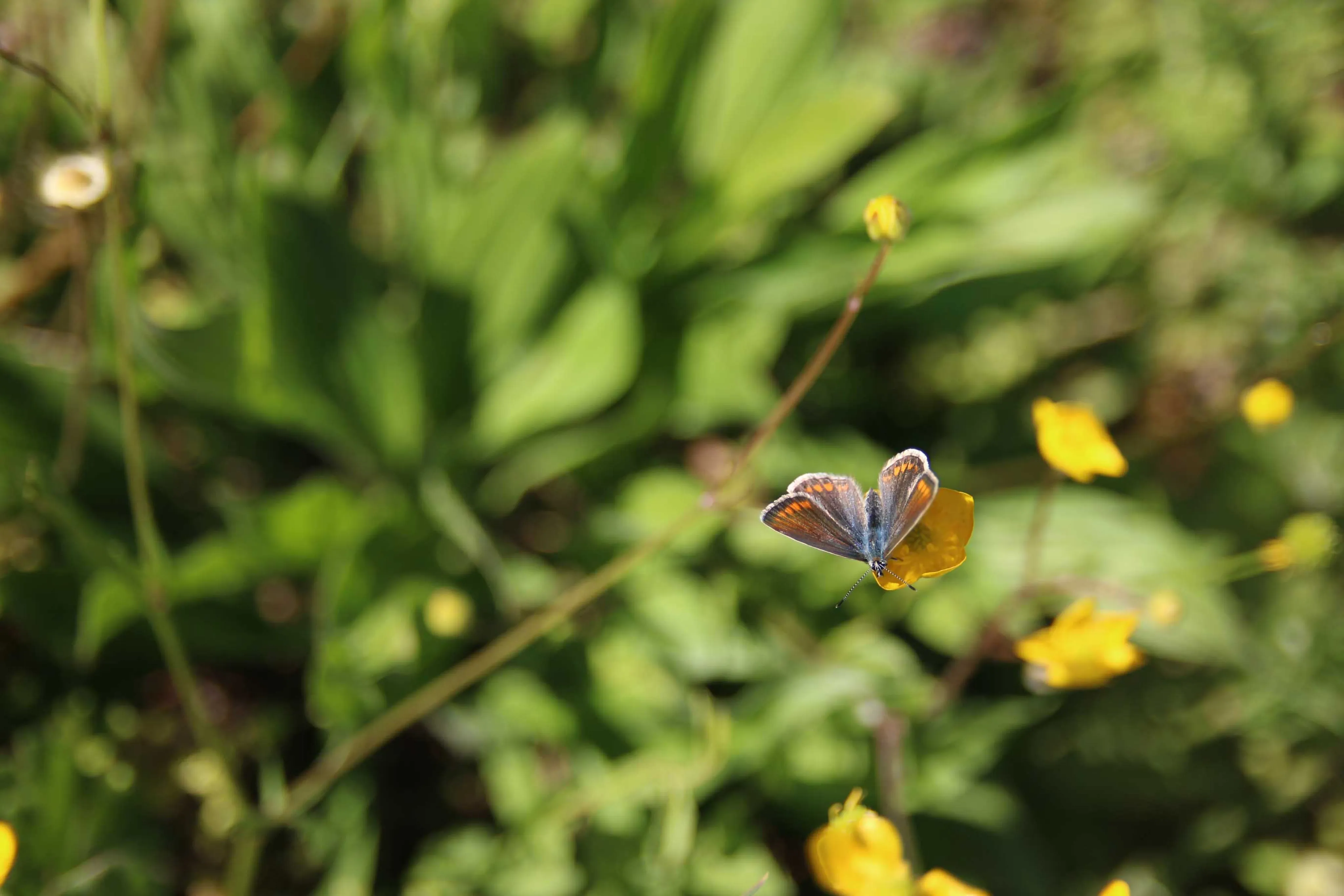
We have abandoned synthetic chemicals in favour of exclusively natural products, including green manuring used as fertilisation and allowed to flower in order to attract pollinators and beneficial insects. This approach enhances biodiversity and supports an ecosystem capable of naturally protecting the vines.

The vines are protected against fungal diseases using products based on citrus oil extracts, Bacillus thuringiensis, as well as sulphur- and copper-based treatments. No topping is carried out. Thanks to the naturally well-ventilated conditions of the area, the summer sea breezes further contribute to protecting the vines from fungal diseases and moulds.

Permanent cover vegetation stabilises the soil, prevents erosion, and allows rainwater to infiltrate the ground slowly and evenly, enriching it with organic matter and humus. Finally, the use of lightweight tractors helps to reduce soil compaction.


All the practices adopted contribute, at both visible and invisible levels, to creating the conditions for the vine to develop within a living and harmonious environment.

Sustainability

THE MAKING OF OUR WINES

HARVEST
HARVEST

The sky is clear and the air is clear.


At times, from the slopes of Mount Conero, the Dalmatian coast can be glimpsed beyond the Adriatic Sea.

The grapes are ready, and the harvesting teams are prepared: low carts carry the bins in which the freshly picked grapes will be placed. Harvest generally takes place in September for white and rosé wines, and in October for red wines.

The harvesters, using pruning shears, carefully cut and gently place the grape clusters into the crates. They are trained to select only healthy, fully ripe fruit, leaving unsuitable clusters on the ground.

Harvesting is carried out exclusively by hand. The grapes are handled with the utmost care and must be transported intact to the winery within a few hours.

Once the crates are full, they are loaded onto a van and taken to the winery. Here, everything is prepared to receive the fruit: the crates are emptied into the hopper and conveyed to the sorting table for subsequent careful selection.

Work continues intensively each day until sunset, ensuring the integrity and quality of the fruit.

VINIFICATION
VINIFICATION

The berries pass over the sorting table, where they are inspected one by one. Leaves, unripe berries, and any elements that could compromise the quality of the wines are removed.


Red Wines

For red wines, the grapes are destemmed and transformed into must, which is transferred into temperature-controlled stainless steel fermentation vats. After a few hours, fermentation begins. A pied de cuve prepared with indigenous yeasts from our vineyards, naturally present on the grape skins, is then added. In contact with oxygen and grape sugars, these yeasts begin to multiply and convert sugars into alcohol. The skins and liquid must are mixed daily through pump-overs and délestage. The temperature is maintained at around 25°C before gradually decreasing, and total skin contact lasts between 6 and 20 days. Once fermentation is complete, the wine is separated from the pomace and lees. It is then racked into other vats or barrels where, after alcoholic fermentation has finished, malolactic fermentation occurs naturally in the gentle warmth of the historic cellar, contributing to greater softness and balance in the wines.


Rosé Wines

For rosé wines, the grapes are destemmed and transferred to a pneumatic press at pressures of up to 1 bar. Following gentle pressing, a pied de cuve of indigenous yeasts is added and fermentation begins, lasting approximately 30 days at a temperature of around 10°C. At the end of alcoholic fermentation, the wine is clarified by decantation and separated from the lees.


White Wines

For white wines, whole clusters are transferred to the pneumatic press at pressures of up to 0.8 bar. After gentle pressing, a pied de cuve of indigenous yeasts is added and fermentation begins, lasting approximately 30 days at a temperature of around 10°C. At the conclusion of alcoholic fermentation, the wine is clarified by decantation and separated from the lees.

AGEING
AGEING

After racking, the young wines are transferred from the working cellar to the barrel cellar. In the dim light of the historic cellar, where temperature and humidity remain naturally constant, the wines are aged in wooden barrels and casks.


The slow maturation in oak, a naturally porous wood, allows continuous, gentle oxygenation and the gradual softening of tannins.


The Grigiano Riserva will rest for approximately 24 months in 500 L barrels. The Villa Malacari will age in barrels and casks of varying sizes for around 12 months. At the end of this extended maturation period, the contents of each barrel and cask are tasted and evaluated before being selected for bottling.

For both white and rosé wines, the must remains in contact with the lees for approximately six months, enhancing texture and complexity.

BOTTLING

The wines in barrels and casks are tasted and analysed by the winery staff before being blended in tanks for bottling. Bottling is carried out using equipment designed to ensure the highest standards of hygiene and quality. Villa Malacari and Grigiano wines are unfiltered to preserve their natural character and substance; any sediment forming in the bottle is a natural expression of the product’s evolution.


The philosophy of Azienda Agricola Malacari is to produce wines that are organic, natural, and expressive of their territory. Our long-standing tradition is a testament to this approach. For our wines, we use glass bottles, cork stoppers, and cardboard packaging, all recyclable and environmentally sustainable materials.